Monkey Tails Font: A Playful Script for Handmade Products
When you are designing physical products, the typography you choose does more than just convey information; it sets the emotional tone of your brand. For crafters and small business owners looking to add a touch of whimsy without sacrificing readability, Monkey Tails Retro Brush Style is a standout choice. This creative font from Script Amp brings a nostalgic, curvy energy that feels both hand-painted and professionally polished. Whether you are creating custom stickers, wedding invitations, or boutique product labels, understanding how to leverage this typeface can elevate your designs from simple crafts to desirable commercial goods.
The Visual Personality of Monkey Tails
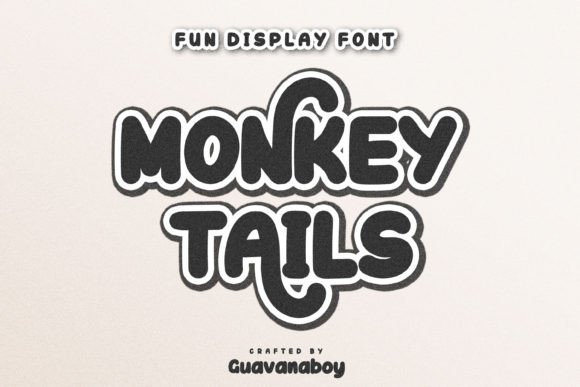
Monkey Tails is not your average handwritten script. It is a fun and quirky way of painting or drawing that is inspired by the curvy, playful shapes of monkey tails. The letterforms feature dynamic strokes that mimic the motion of a brush, giving each character a sense of movement and life. This retro brush style adds a nostalgic touch, reminiscent of older artistic styles found in vintage signage and mid-century packaging. For sellers, this visual personality translates into immediate brand recognition. Customers associate these flowing, organic lines with creativity, warmth, and a personal touch—qualities that are highly valued in the handmade market.
The font’s charm lies in its balance. While it is expressive enough to serve as a primary display font, it retains a level of structure that prevents it from becoming illegible. This makes it an excellent tool for designers who want their work to look artistic but still communicate clearly. When used correctly, Monkey Tails can transform a plain white mug or a standard greeting card into a piece of art that customers feel compelled to share on social media.
Practical Applications for Crafters and Sellers
The versatility of Monkey Tails allows it to shine across a wide variety of product categories. Because it carries a distinct personality, it works best when applied to items where personality is a key selling point. Here are several practical ways to integrate this font into your inventory:
- Product Labels and Tags: Use Monkey Tails for the main title on candle jars, soap bars, or bath bombs. The brush style complements natural, organic branding often seen in artisanal goods. Pairing it with a clean sans serif font for ingredient lists ensures that regulatory information remains readable while the brand name pops.
- Invitations and Stationery: For weddings, baby showers, or birthday parties, this font adds a celebratory flair. It is perfect for "Welcome" signs, menu cards, or thank-you notes. The curvy nature of the letters suggests celebration and joy, making it ideal for event-related printables.
- Stickers and Decals: When cutting vinyl for Cricut or Silhouette users, Monkey Tails renders beautifully. Its thick and thin stroke variations create visual interest even at smaller sizes. It is particularly effective for laptop decals, water bottle stickers, and planner embellishments where a unique aesthetic stands out against busy backgrounds.
- Wall Art and Home Decor: Create digital downloads or physical prints featuring inspirational quotes or nursery decor. The font’s playful shape softens serious messages, making them feel approachable and friendly. It works well for farmhouse-style signs when paired with rustic textures in your mockups.
- Apparel and Accessories: For t-shirts, tote bags, and aprons, Monkey Tails offers a bold statement. Ensure you use high-resolution files (300 DPI or vector formats like SVG) to maintain crisp edges during the printing process, whether you are using heat transfer vinyl (HTV), sublimation, or screen printing.
Readability and Design Best Practices
While Monkey Tails is visually striking, its effectiveness depends on how it is used. As a display font, it is best suited for short phrases, names, titles, and decorative wording rather than long paragraphs of text. Attempting to set body copy in this style will likely result in fatigue for the reader and a cluttered appearance. Reserve the longer, more legible fonts for descriptions, instructions, or secondary details.
For small applications, such as miniature product tags or tiny sticker elements, test your design at actual size before mass production. The intricate brush details may become muddy if scaled down too far. In these cases, consider simplifying the layout or increasing the spacing between letters (kerning) to ensure clarity. When preparing files for cutting machines, check that all paths are closed and overlapping properly to avoid registration errors.
Strategic Font Pairing
To maximize the impact of Monkey Tails, pair it with complementary typefaces that provide contrast. A common and effective strategy is to combine this expressive script with a clean, geometric sans serif font. The simplicity of the sans serif grounds the design, allowing the playful curves of Monkey Tails to take center stage without overwhelming the viewer. This combination is particularly useful for modern brands that want to appear professional yet approachable.
Alternatively, pairing Monkey Tails with a classic serif font can create a sophisticated, vintage-inspired look. This juxtaposition of old-world elegance and playful brushwork can be very appealing for boutique shops or businesses with a heritage aesthetic. Just ensure that the weight of the serif font balances the visual weight of the script to maintain harmony in your composition.
Technical Considerations and Licensing
Before purchasing or downloading Monkey Tails, review the included file formats and features. Look for multiple weights, alternates, ligatures, and swashes, as these tools allow for greater customization in your designs. Multilingual support is also crucial if you plan to sell internationally or include foreign characters in your product text. High-quality font families often include OpenType features that enable automatic substitution of decorative glyphs, saving you time during the design process.
Finally, always pay close attention to the commercial font licensing agreement. If you intend to sell physical products, templates, printables, SVG designs, or merchandise featuring Monkey Tails, you must ensure your license covers commercial use. Some fonts require specific licenses for different types of sales, such as resale of digital assets versus resale of physical goods. Adhering to these terms protects your business from legal issues and supports the designers who create these valuable assets. By choosing Monkey Tails and respecting its usage guidelines, you invest in a typeface that enhances your brand identity and resonates with your audience.